
Introduction
In emerging markets, the cost of diesel generation is often the single largest OPEX line item for manufacturing facilities. Volatile fuel prices, maintenance downtime, and logistics complexities make relying solely on generators an unsustainable business model.
Enter industrial load hybridization: the strategic integration of large-scale solar arrays, heavy-duty lithium storage, and existing generator infrastructure. This approach doesn't eliminate generators; it relegates them to a backup role, slashing diesel consumption by up to 70%.
Core Explanation: The Hybrid Micro-Grid
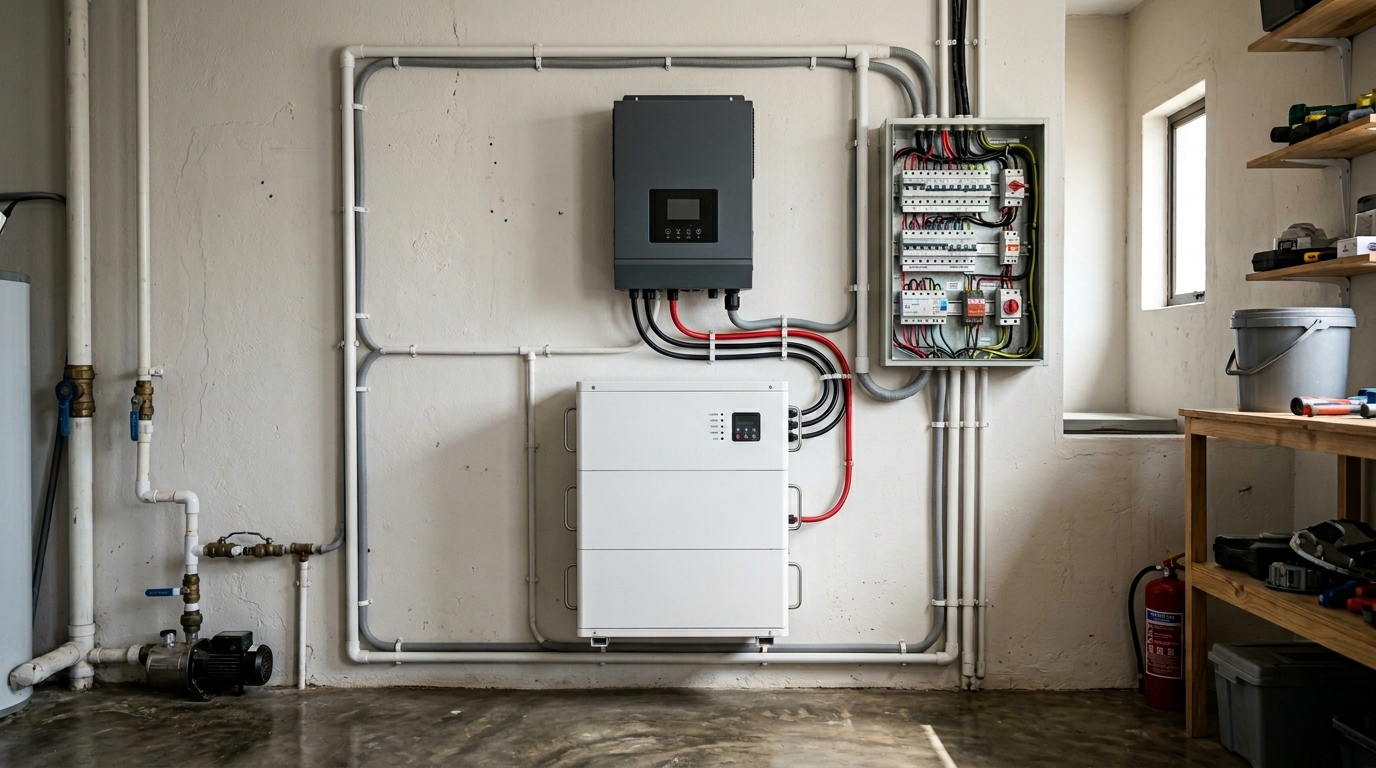
A hybrid micro-grid intelligently balances multiple power sources. The brain of the operation is a commercial hybrid inverter system capable of synchronizing solar PV output, battery discharge, grid power, and generator input simultaneously.
During peak sunlight hours, the solar array powers the factory load while simultaneously charging the battery bank. If a heavy motor starts up and causes a sudden surge in demand, the batteries instantly discharge to cover the spike, preventing the generator from turning on.
Technical Breakdown: Seamless Transitioning
The technical challenge in manufacturing is voltage stability. CNC machines, injection molders, and industrial chillers are highly sensitive to voltage drops or frequency shifts during power transitions.
Tier-1 hybrid inverters handle these transitions with zero transfer time (under 10 milliseconds). When the grid fails, the inverter isolates the factory from the grid and seamlessly switches to battery power. The machinery never experiences a dip, preventing costly ruined batches or damaged equipment.
Real-World Applications
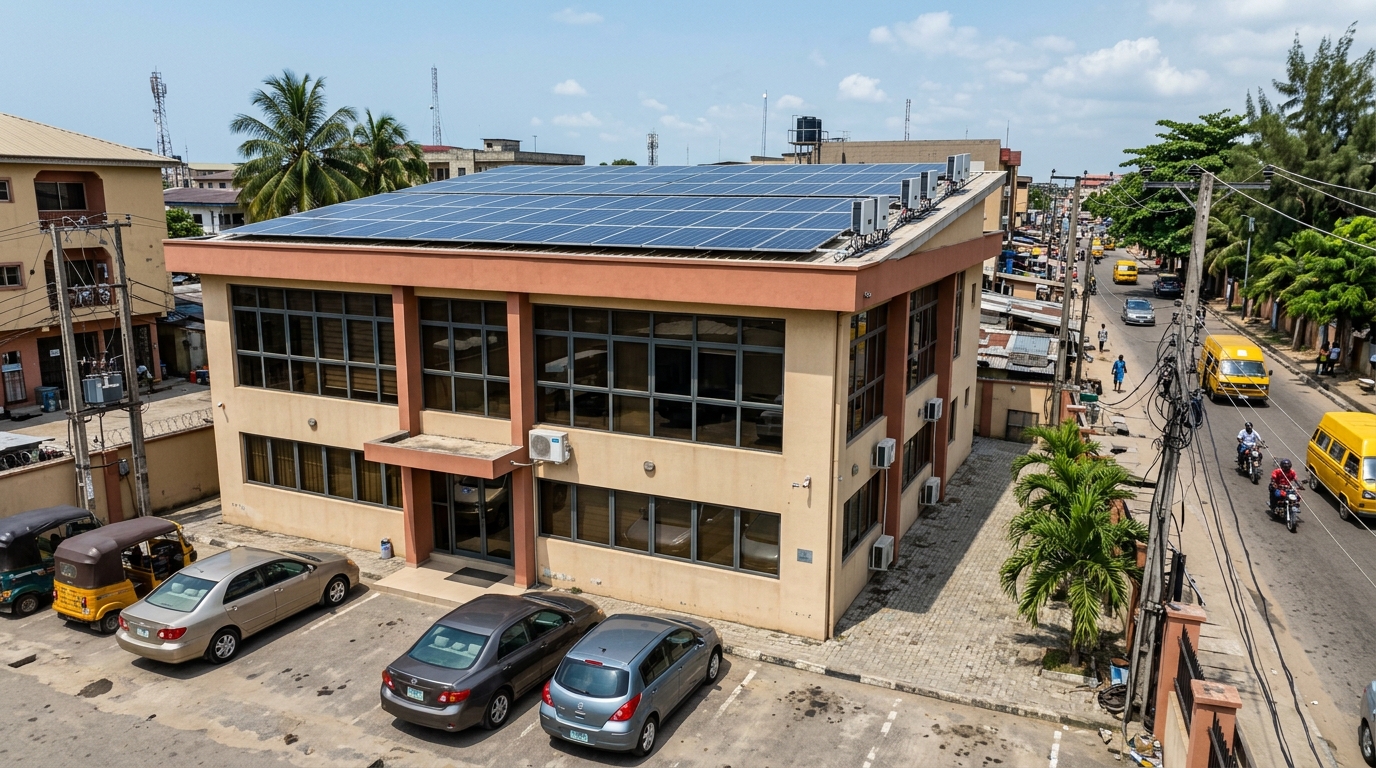
We recently implemented a 500kW hybrid system for a plastics manufacturing plant in West Africa.
Before Solar:
- Grid availability: 6 hours/day
- Diesel consumption: 1,200 liters/day
- Power interruptions: 3-4 per day
After Solar Integration:
- Diesel consumption: 350 liters/day (70% reduction)
- Power interruptions: 0 (seamless battery backup)
The generators now only run during extended grid outages at night or heavy rainy days, serving purely as an auxiliary source.
Financial Implications
The ROI on a commercial solar installation is typically driven by diesel savings. In the case study above, saving 850 liters of diesel daily translates to massive monthly savings.
With current fuel prices, the payback period for a tier-1 commercial solar system is averaging 3.5 to 4.5 years. Given that the solar panels have a 25-year warranty and the lithium batteries a 10-year warranty, the system provides decades of virtually free energy post-payback.
Engineering Insights
When designing a system for a factory, the crucial metric is the starting surge (inrush current) of the heaviest machinery. A 50HP motor might have a running load of 37kW but a starting surge of 200kW for a few seconds.
The inverter array and battery bank must be dimensioned to handle this brief but massive surge without tripping. We achieve this by paralleling multiple heavy-duty inverters and utilizing high-discharge-rate lithium rack batteries.
Conclusion
Manufacturing profitability is intrinsically tied to energy costs. By transitioning to a solar hybrid micro-grid, factories not only insulate themselves from fuel price shocks but also achieve the high-quality, uninterrupted power required for modern automated production.
Ready To Power Your Business?
Let our engineering desk perform a comprehensive load audit of your facility and calculate your projected diesel savings.
<div className="my-8"> <a href="/contact" className="inline-block bg-accent text-primary font-display font-bold text-sm uppercase tracking-widest px-8 py-4 rounded-full hover:bg-primary hover:text-white transition-colors shadow-md"> Request Commercial Assessment </a> </div>