
Introduction
The debate between monocrystalline and polycrystalline solar panels has been a staple of solar education for over a decade. Historically, polycrystalline panels offered a budget-friendly entry point, while monocrystalline panels commanded a premium for their higher efficiency and sleeker aesthetics.
However, as we move through 2026, manufacturing advancements and economies of scale have radically altered the landscape. Let's examine the current engineering consensus.
Core Explanation: The Structural Difference
The fundamental difference lies in the silicon crystal structure:
- Monocrystalline: Cut from a single, continuous silicon crystal. This uniform structure allows electrons more room to move, resulting in higher efficiency. They are recognizable by their uniform black color and rounded edges.
- Polycrystalline: Made by melting multiple silicon fragments together. The boundaries between the different crystals impede electron flow slightly, lowering efficiency. They typically have a blue, speckled appearance.
Technical Breakdown: Efficiency Metrics
In 2026, tier-1 monocrystalline panels routinely achieve efficiencies between 21% and 23%. This means they convert up to 23% of the sunlight hitting them into usable electricity.
Polycrystalline panels, despite improvements, generally plateau around 15% to 17% efficiency.
While a 5% difference might seem small, it has massive implications for spatial requirements. A 10kW monocrystalline array will require significantly less roof space than a 10kW polycrystalline array.
Financial Implications
Five years ago, polycrystalline panels were significantly cheaper per watt. Today, the price gap has shrunk to pennies. Because monocrystalline panels require less mounting hardware and labor (since you need fewer panels to achieve the same total wattage), the total installation cost for a monocrystalline system is often comparable—or even cheaper—than a polycrystalline equivalent.
Engineering Insights
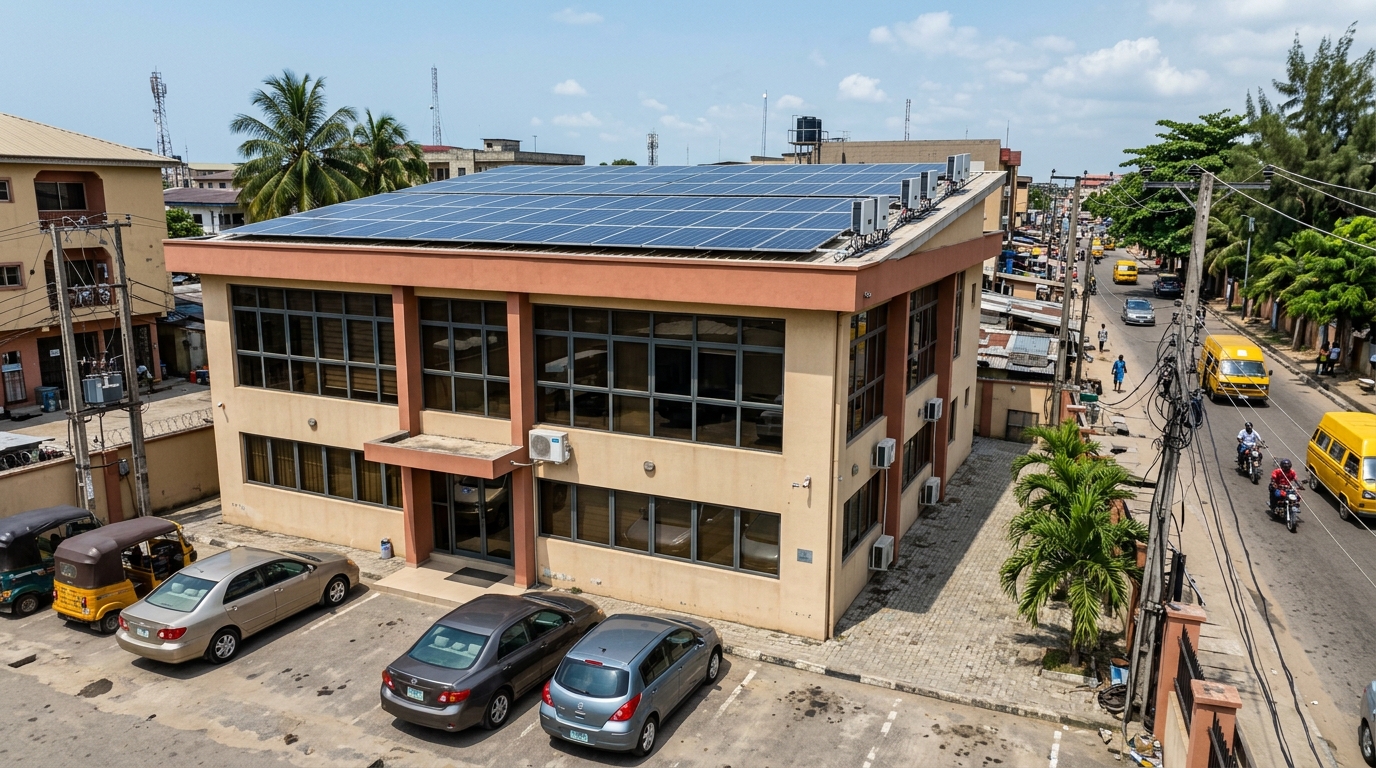
At Solagates, our enterprise engineering desk has entirely phased out polycrystalline panels for new installations. The benefits of monocrystalline—higher efficiency, better high-temperature performance, lower degradation rates, and superior aesthetics—far outweigh the negligible cost difference.
Furthermore, modern monocrystalline panels employ advanced technologies like Half-Cut Cells and PERC (Passivated Emitter and Rear Cell) architecture, further extending their performance lead, especially in shaded or low-light conditions.
Key Takeaways
- Monocrystalline is the undisputed standard for modern installations.
- The price gap has closed, negating the historical advantage of polycrystalline.
- Monocrystalline requires less space for the same power output.
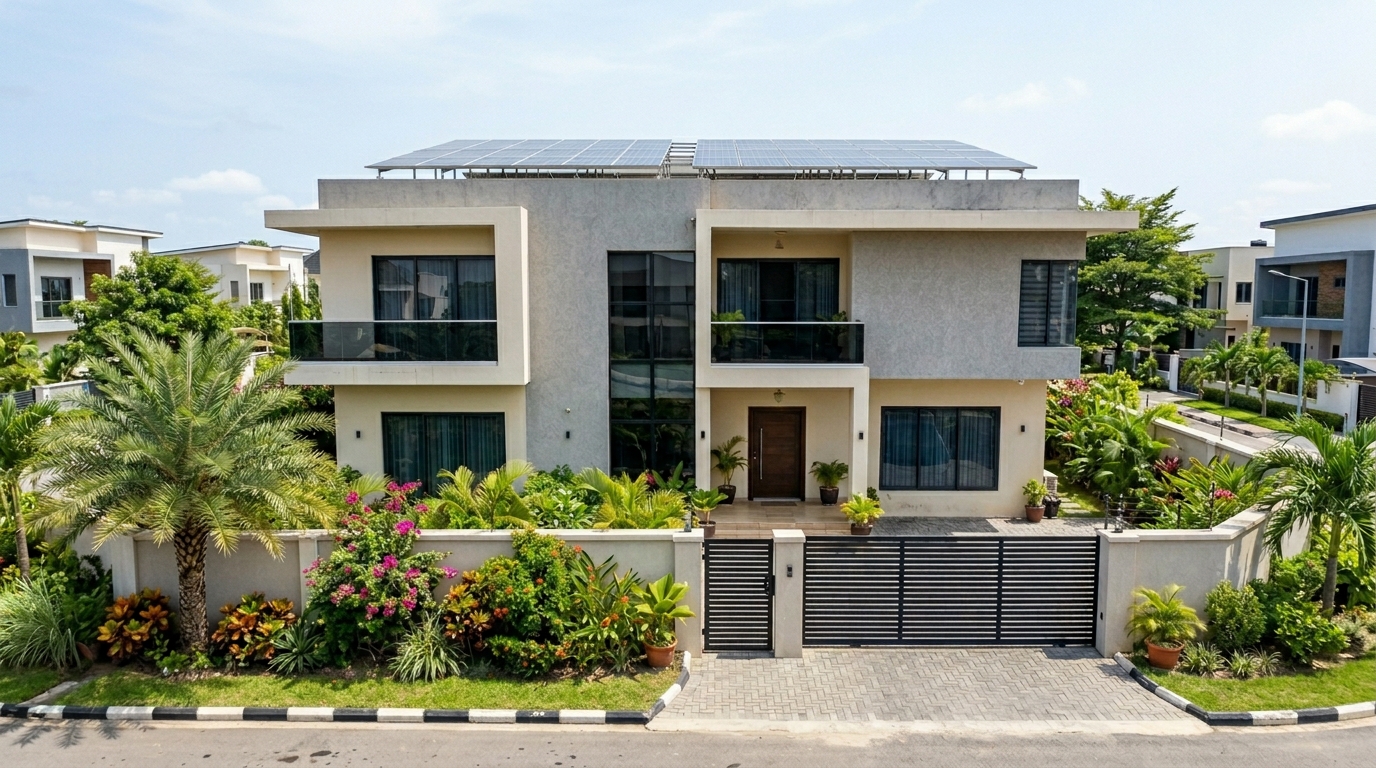
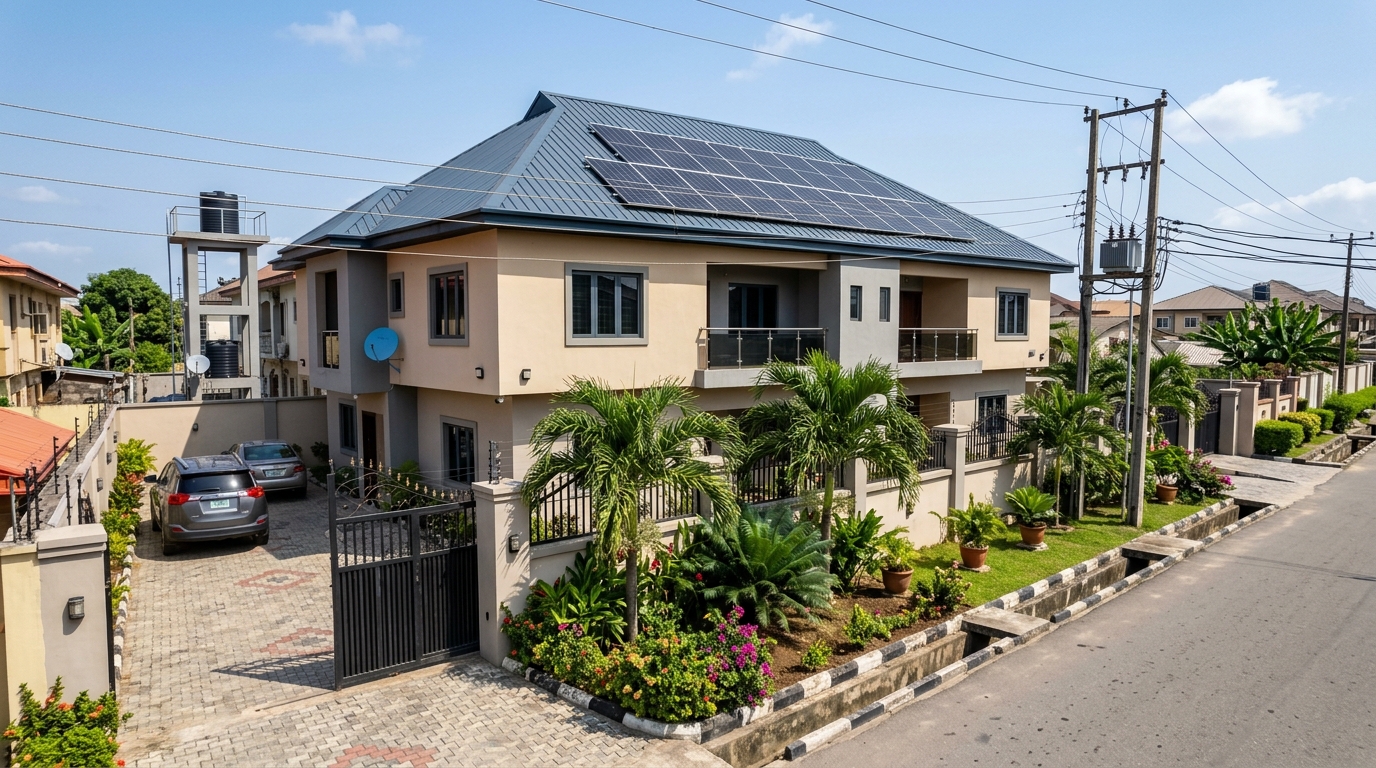
- Always demand Tier-1 monocrystalline panels for enterprise and luxury residential deployments.
Conclusion
The engineering consensus is clear: for any serious commercial or high-end residential application in 2026, monocrystalline technology is the only logical choice.
Need Help Sizing Your Array?
Contact our engineering team to design a high-efficiency monocrystalline array perfectly tailored to your roof space.
<div className="my-8"> <a href="/contact" className="inline-block bg-accent text-primary font-display font-bold text-sm uppercase tracking-widest px-8 py-4 rounded-full hover:bg-primary hover:text-white transition-colors shadow-md"> Request Array Design </a> </div>