
Introduction
A common objection to solar adoption in tropical climates is the impact of the rainy season. Does a week of heavy cloud cover render a solar installation useless? The short answer is no, provided the system was engineered correctly from the start.
Core Explanation: Diffuse vs. Direct Irradiance
Solar panels do not require direct, blinding sunlight to generate electricity; they require irradiance (light). Even on overcast days, diffuse light penetrates the cloud cover.
While output certainly drops—often to 20-40% of the peak rated capacity—a well-dimensioned tier-1 array will still produce significant wattage. The engineering challenge is ensuring that this reduced wattage is sufficient to cover critical loads and trickle-charge the battery bank.
Technical Breakdown: The 3-Day Autonomy Rule
When designing for off-grid or weak-grid environments subject to heavy rainy seasons, engineers use the concept of "Days of Autonomy." This refers to the number of days the battery bank can support the load without any solar input whatsoever.
At Solagates, we typically recommend a minimum of 2 to 3 days of autonomy for critical enterprise infrastructure. This involves:
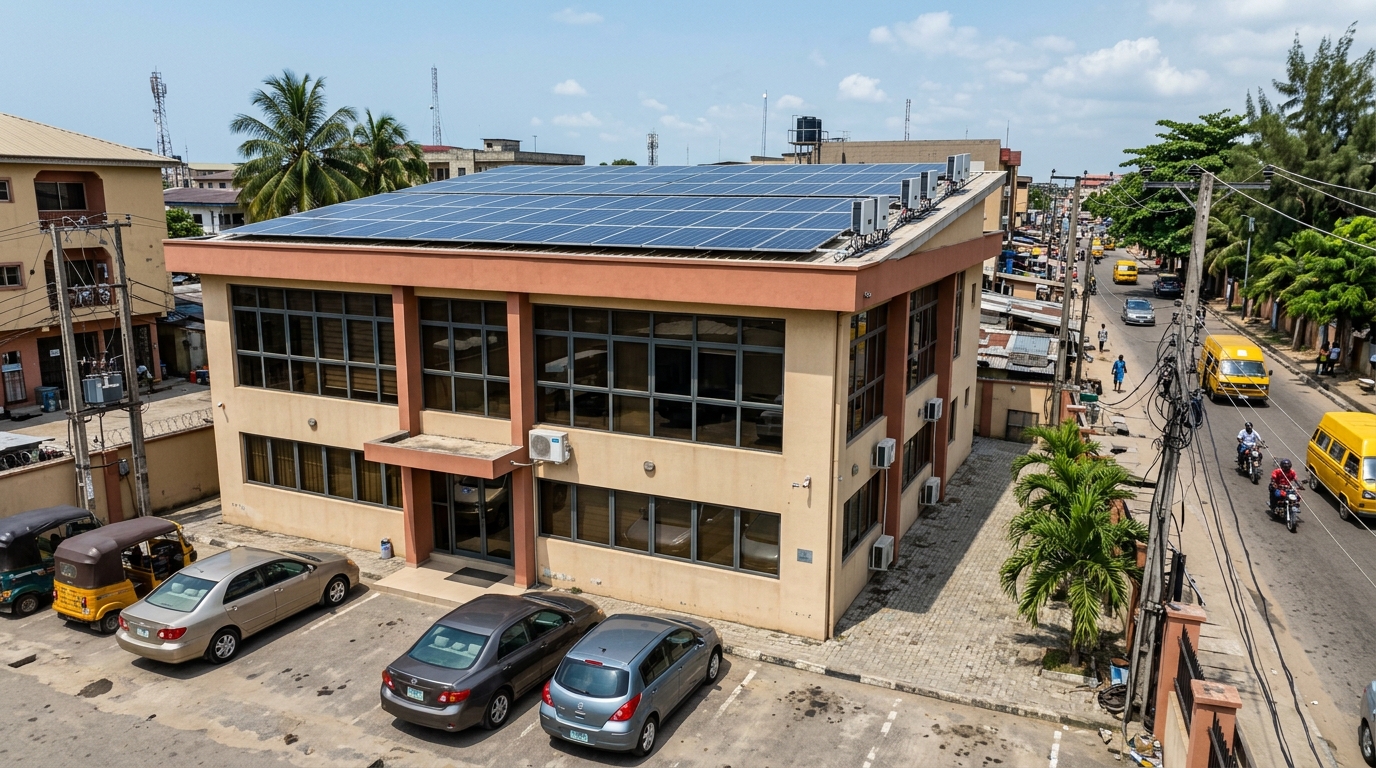
- Oversizing the Solar Array: Installing 30-40% more panels than necessary for a sunny day ensures that even at 30% efficiency during a storm, the array produces enough to cover the base load.
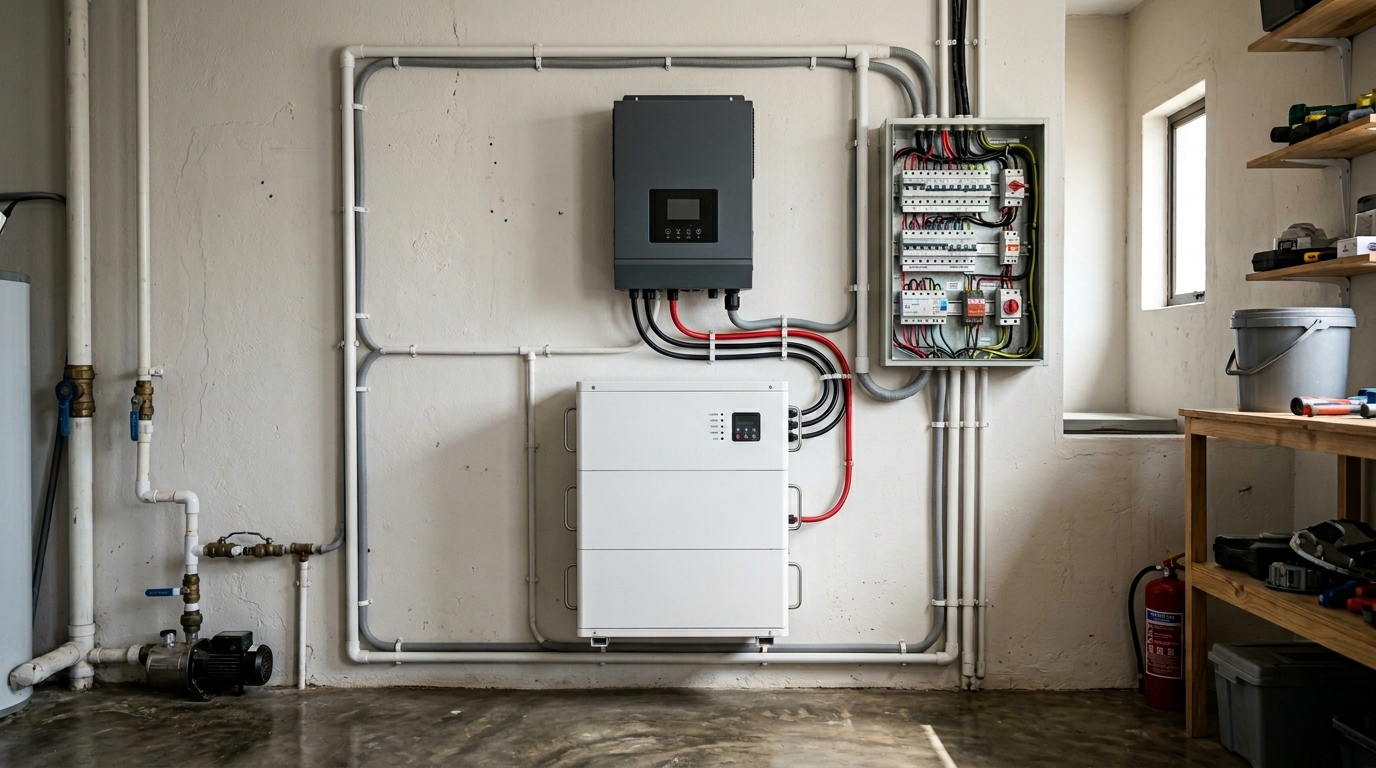
- Expanding Storage Capacity: A larger lithium battery bank acts as a deep reservoir, capturing excess energy during brief sunny spells to carry the facility through prolonged rain.
Financial Implications
Oversizing an array and expanding a battery bank increases initial CapEx. However, this premium guarantees 99.9% uptime, eliminating the need to burn expensive diesel during the rainy season. For commercial entities, the cost of downtime far exceeds the cost of extra lithium cells.
Conclusion
The rainy season is a predictable variable, not a fatal flaw. With intelligent dimensioning and high-quality hardware, a solar micro-grid provides absolute resilience against the weather.
Worried About The Rains?
Let us design a weather-resilient solar architecture for your facility.
<div className="my-8"> <a href="/contact" className="inline-block bg-accent text-primary font-display font-bold text-sm uppercase tracking-widest px-8 py-4 rounded-full hover:bg-primary hover:text-white transition-colors shadow-md"> Request Resilience Audit </a> </div>